F Dominant Thirteen Sharp Ninth (F13(#9)) chords on guitar
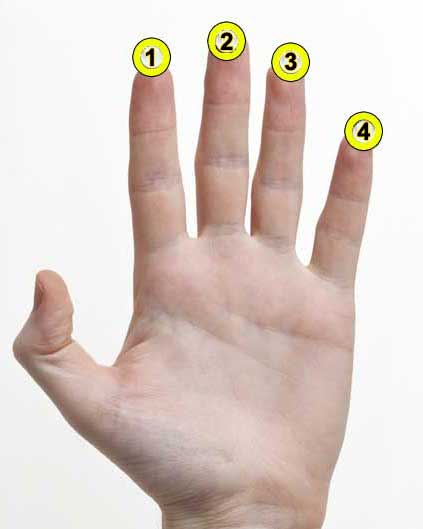
Welcome to our tutorial on the F 13(#9) chord. This chord is a member of the Dominant Chords family and is a complex, rich sounding chord often used in jazz and blues music. The notes that make up the F 13(#9) are F, A, C, Eb, G#, Bb, and D. These notes are built from the following intervals: 1 (Root), 3 (Major Third), 5 (Perfect Fifth), b7 (Minor Seventh), #9 (Augmented Ninth), 11 (Perfect Eleventh), and 13 (Major Thirteenth).
Understanding the intervals that make up this chord is crucial to being able to play it correctly. If you're new to the concept of intervals, we recommend checking out our tutorial on fretboard intervals and our tutorial on building chords by stacking intervals.
In this tutorial, we will provide chord diagrams and fretboard patterns to help you visualize and understand the tones that compose the F 13(#9) chord. If you're interested in learning more about chord notation based on intervals, we have a tutorial on chord notation that you might find useful.
The F 13(#9) chord is more advanced than beginner chords, so if you're just starting out, you might want to first familiarize yourself with some simpler chords. We have a full tutorial on all types of guitar chords that you might find helpful. Once you're comfortable with the basics, you can dive into our tutorial on dominant (7) guitar chords, which will prepare you for the complexities of the F 13(#9) chord.
Finally, once you've mastered the F 13(#9), you can use our interactive tool to analyze chord shapes and explore other complex chords. Happy playing!
F 13(#9) chord Notes:
Chord structure of the Dominant Thirteen Sharp Ninth chord:
 Download
the Free Guitar Chords Chart Pdf
Download
the Free Guitar Chords Chart Pdf
FAQ
What notes and intervals make up the F 13(#9) chord?
The F 13(#9) chord is composed of the notes F, A, C, Eb, G#, Bb, and D. These notes correspond to the following intervals: 1 (Root), 3 (Major Third), 5 (Perfect Fifth), b7 (Minor Seventh), #9 (Augmented Ninth), 11 (Perfect Eleventh), and 13 (Major Thirteenth).
What kind of musical styles commonly use the F 13(#9) chord?
The F 13(#9) chord is a complex, rich-sounding chord that is often utilized in jazz and blues music, where its extended harmonies can add significant color and depth to progressions.
What makes the F 13(#9) chord a member of the Dominant Chords family?
The F 13(#9) chord is classified as a dominant chord because it includes the characteristic dominant intervals: the 1st (root), 3rd (major third), and b7th (minor seventh). These core components, combined with the additional extensions like the #9, 11, and 13, place it within the dominant chord family.
Is the F 13(#9) chord suitable for guitar beginners?
No, the F 13(#9) chord is considered more advanced than beginner chords. It's recommended that guitarists first become comfortable with simpler chord types and understand foundational dominant (7) chords before attempting to master the complexities of the F 13(#9).
What do the '#9', '11', and '13' signify in the F 13(#9) chord name?
The numbers and symbols indicate specific chord extensions beyond the basic triad and seventh. '#9' denotes an Augmented Ninth, '11' signifies a Perfect Eleventh, and '13' refers to a Major Thirteenth. These extensions add complexity and a distinctive harmonic flavor to the chord, making it an 'extended dominant' voicing.