Db Minor Major Ninth (Dbm(maj9)) chords on guitar
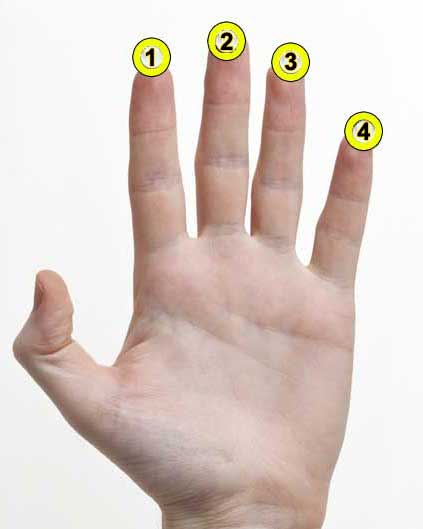
Db m(maj9) guitar chord shapes

Welcome to our tutorial on the Db m(maj9) chord. This chord is an intriguing part of the Minor Chords family, and is built using the notes Db, Fb, Ab, C, and Eb. The intervals that form this chord are 1, b3, 5, 7, and 9, which in complete terms are the Root, Minor Third, Perfect Fifth, Major Seventh, and Major Ninth.

The Db m(maj9) chord offers a unique sound that can add depth and sophistication to your guitar playing. It's a more advanced chord, but don't worry - we're here to guide you through it. If you're new to the concept of intervals and how they build chords, you might want to check out our tutorial on building chords by stacking intervals.

Understanding how to denote chords depending on their intervals is also crucial for mastering the Db m(maj9) chord. Our tutorial on chord notation can provide you with the necessary knowledge for this.

As a ninth chord, the Db m(maj9) is a step up from more basic chord types. It's worth taking a look at our tutorial about ninth (9) guitar chords if you're not already familiar with them. This will give you a solid foundation to build upon for this tutorial.

Once you're comfortable with the Db m(maj9) chord, you can start incorporating it into your own music. Our tutorial on common chord progressions can help you understand how to effectively use this chord in your compositions.

We're excited to help you master the Db m(maj9) chord and take your guitar playing to the next level. Let's get started!

Notes of the Db m(maj9) chord:

Db Fb Ab C Eb

Chord Formula:

1
b2
2
b3
3
4
b5
5
#5
6
b7
7
8
b9
9
#9
11
#11
13

Fingerings for the Dbm(maj9) guitar chord

No guitar diagrams created yet for this chord. Request one here

download this tutorial in pdfDownload the Free Guitar Chords Chart Pdf

Play This Chord With Other Roots

C m(maj9) | D m(maj9) | E m(maj9) | F m(maj9) | G m(maj9) | A m(maj9) | B m(maj9) | C#m(maj9) | D#m(maj9) | F#m(maj9) | G#m(maj9) | A#m(maj9) | Abm(maj9) | Bbm(maj9) | Dbm(maj9) | Ebm(maj9) | Gbm(maj9)

FAQ

What does the 'm(maj9)' in Db m(maj9) specifically mean for this chord?

The 'm' indicates that the chord has a minor third interval (Fb) from the root (Db), giving it a minor quality. The '(maj9)' specifies that the chord also includes a major seventh (C) and a major ninth (Eb) interval, distinguishing it from a regular minor 9th chord which would typically feature a minor seventh.

What are the exact notes that make up the Db m(maj9) chord?

The Db m(maj9) chord is composed of the following five notes: Db, Fb, Ab, C, and Eb. These notes are derived from its root, minor third, perfect fifth, major seventh, and major ninth intervals.

Which specific intervals define the construction of a Db m(maj9) chord?

The Db m(maj9) chord is built using the intervals 1 (Root), b3 (Minor Third), 5 (Perfect Fifth), 7 (Major Seventh), and 9 (Major Ninth). In the key of Db, these correspond to the notes Db, Fb, Ab, C, and Eb respectively.

How does the Db m(maj9) chord sound, and when might a guitarist use it?

The Db m(maj9) chord offers a unique sound that can add depth and sophistication to your guitar playing. It's considered a more advanced chord, suitable for moments when you want to enrich your music with a complex and expressive harmonic texture.

Is the Db m(maj9) chord considered a basic or advanced chord for guitarists?

The Db m(maj9) is considered a more advanced chord. As a ninth chord with a specific major seventh interval within a minor framework, it represents a step up from more basic chord types and adds significant complexity.

Share this page