Db13(#11) chord - Db Dominant Thirteen Sharp Eleventh - guitar chord chart
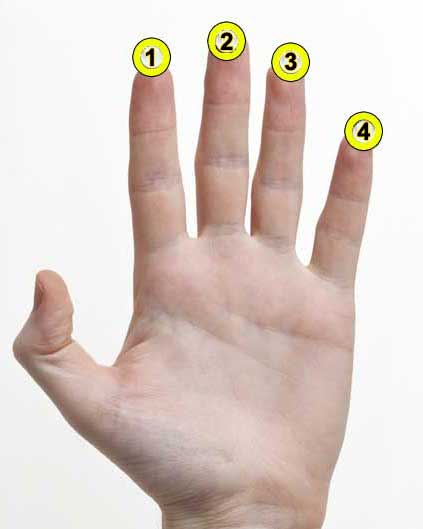
Welcome to our tutorial on the Db 13(#11) chord, a member of the Dominant Chords family. This chord, known for its rich and complex sound, is composed of seven different notes: Db, F, Ab, Cb, Eb, G, and Bb. The intervals that build this chord are 1, 3, 5, b7, 9, #11, and 13. These intervals include the root, major third, perfect fifth, minor seventh, major ninth, augmented fourth, and major thirteenth.
Understanding the construction of this chord involves a deep dive into music theory and fretboard intervals. If you're new to these concepts, we recommend exploring these tutorials before moving forward. The dominant (7) guitar chords tutorial is also a great resource to understand the basic structure of the Db 13(#11) chord.
Learning to play the Db 13(#11) chord involves mastering a series of intermediate-level chord shapes. This chord is often found in jazz chord progressions, and understanding its structure can greatly enhance your ability to play and compose music in this genre.
Once you've mastered the Db 13(#11) chord, you'll be able to use our interactive chord analyzer to explore other chord shapes on the fretboard. You can also delve into other guitar chords of all types to expand your musical repertoire.
Get ready to explore the world of dominant chords with the Db 13(#11) chord. Let's dive in!
Notes that compose the Db 13(#11) chord:
Chord formula for the Dominant Thirteen Sharp Eleventh chord:
 Download
the Free Guitar Chords Chart Pdf
Download
the Free Guitar Chords Chart Pdf

Created by
Giancarlo is a musician (teaching guitar since 2000), software engineer, AI consultant and published researcher
FAQ
What are the notes and intervals that make up a Db 13(#11) chord?
The Db 13(#11) chord is composed of seven notes: Db, F, Ab, Cb, Eb, G, and Bb. These correspond to the intervals of the Root, Major Third, Perfect Fifth, Minor Seventh, Major Ninth, Augmented Fourth (#11), and Major Thirteenth respectively (1, 3, 5, b7, 9, #11, 13).
What characteristic makes the Db 13(#11) chord part of the 'Dominant Chords' family?
The presence of the minor seventh interval (b7), which is Cb in the Db 13(#11) chord, is a defining characteristic that places it within the 'Dominant Chords' family.
What does '#11' mean in the Db 13(#11) chord's name?
The '#11' in the Db 13(#11) chord name signifies an 'Augmented Fourth' interval. In the case of Db, this note is G. This specific extension contributes to the chord's rich and complex sound.
Why does the Db 13(#11) chord have so many notes?
The Db 13(#11) chord has seven distinct notes because it includes extensions beyond the basic triad and seventh, specifically the 9th, #11th, and 13th intervals. These added notes contribute to its distinctively rich and complex sound.
In what musical contexts is the Db 13(#11) chord commonly used?
The Db 13(#11) chord is often found in jazz chord progressions. Understanding its structure and sound can significantly enhance a guitarist's ability to play and compose music within the jazz genre.
Why is the Db 13(#11) chord described as requiring 'intermediate-level chord shapes'?
The Db 13(#11) chord involves a complex combination of seven notes. Playing this chord on the guitar requires mastering specific fingerings that are typically more challenging than basic triads or seventh chords, hence it's categorized as an 'intermediate-level' shape.
