Bm13 Guitar Chord Chart and Fingering
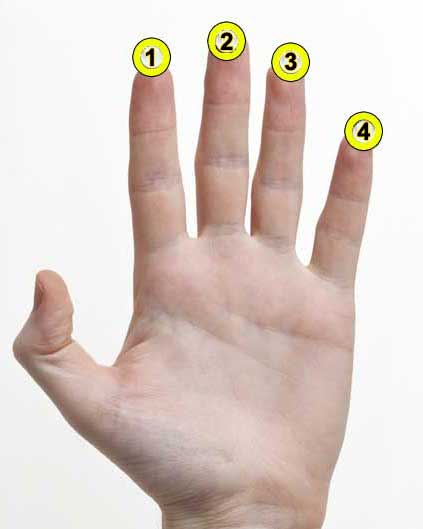
Welcome to our tutorial on the B m13 chord. This chord, part of the Minor Chords family, is composed of the notes B, D, F#, A, C#, E, and G#. It's built using a series of intervals: 1, b3, 5, b7, 9, 11, and 13, which translate to the Root, Minor Third, Perfect Fifth, Minor Seventh, Major Ninth, Perfect Eleventh, and Major Thirteenth, respectively.
Understanding the intervals that make up this chord is crucial to mastering its structure. If you're new to intervals, you might want to check out our tutorial about fretboard intervals before proceeding.
The B m13 chord can be a bit complex, especially for beginners. If you're just starting out, you might find our full tutorial about guitar chords of all types helpful. Once you're comfortable with the basics, you can then move on to more advanced chords like the B m13.
In this tutorial, we'll provide you with chord diagrams and fretboard patterns that show the tones composing the B m13 chord. These visual aids will help you understand the chord structure and make it easier for you to play it. If you're unsure about how to read these diagrams, our tutorial on how to denote chords depending on the intervals that compose it should be of help.
Learning how to play the B m13 chord can open up a new world of musical possibilities. It's a rich, complex chord that can add depth and sophistication to your playing. So, let's dive in and start exploring the B m13 chord!
Notes of the B m13 chord:
Tones of the Minor Thirteen chord:
 Download
the Free Guitar Chords Chart Pdf
Download
the Free Guitar Chords Chart Pdf
FAQ
What are the specific notes and intervals that make up the Bm13 chord?
The Bm13 chord is composed of the notes B, D, F#, A, C#, E, and G#. These correspond to the intervals of 1 (Root), b3 (Minor Third), 5 (Perfect Fifth), b7 (Minor Seventh), 9 (Major Ninth), 11 (Perfect Eleventh), and 13 (Major Thirteenth) from the root B.
Why is the Bm13 chord considered complex, especially for beginners?
It is considered complex due to the large number of distinct notes (seven) involved. This makes it challenging to find comfortable and playable voicings on the guitar, and requires a solid understanding of intervals and chord construction.
How do the intervals like 'b3' and 'b7' define the 'minor' quality of the Bm13 chord?
The 'b3' (minor third) and 'b7' (minor seventh) are the key intervals that establish the minor quality of the Bm13 chord. These specific intervals distinguish it from major or other chord types, even with the addition of the 9th, 11th, and 13th extensions.
What is the main difference between a basic minor chord and a Bm13 chord?
A basic minor chord typically consists of just the Root, Minor Third, and Perfect Fifth. The Bm13 chord is a much more extended and complex version, building upon that minor foundation by adding the Minor Seventh, Major Ninth, Perfect Eleventh, and Major Thirteenth, creating a richer and more sophisticated sound.
How do chord diagrams and fretboard patterns help in learning to play the Bm13 chord?
Chord diagrams and fretboard patterns are visual tools that show you exactly where each note of the Bm13 chord is located on the guitar neck. They help you visualize the chord structure, understand finger placement, and make it easier to physically play the chord.
