G#13(#9) Guitar Chord Chart and Fingering
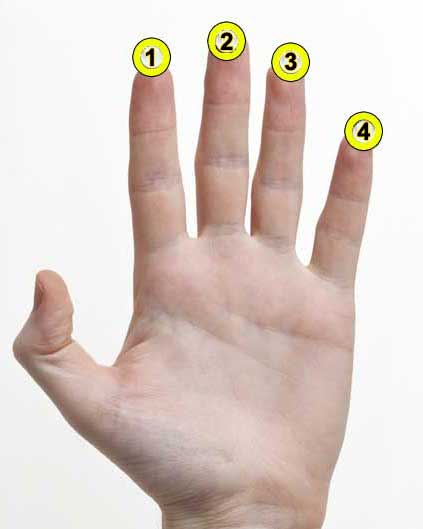
Welcome to our comprehensive tutorial on the G# 13(#9) chord. This complex and rich chord belongs to the family of Dominant Chords, and is composed of the notes G#, B#, D#, F#, A##, C#, and E#. The intervals that construct this chord are the Root, Major Third, Perfect Fifth, Minor Seventh, Augmented Ninth, Perfect Eleventh, and Major Thirteenth.
For those of you who are new to the world of guitar chords, we recommend checking out our full tutorial about guitar chords of all types. This will give you a solid foundation to build upon as you dive into more complex chords like the G# 13(#9).
The G# 13(#9) chord is a great example of a chord built by stacking intervals. If you're interested in learning more about how this works, our tutorial on building chords by stacking intervals is a fantastic resource.
Understanding fretboard intervals is also crucial when learning to play chords like the G# 13(#9). This knowledge will allow you to understand why the chord is constructed the way it is, and how to modify it to create new sounds and variations.
As you progress in your guitar journey, you might find yourself interested in more advanced chords. Our tutorial on intermediate guitar chords is a great place to start. And for those of you interested in jazz, you'll find that the G# 13(#9) often appears in jazz chord progressions.
Lastly, if you're curious about how to denote this chord depending on the intervals that compose it, our tutorial on chord notation is a great resource. Happy playing!
G# 13(#9) chord Notes:
Tones in the Dominant Thirteen Sharp Ninth chord:
 Download
the Free Guitar Chords Chart Pdf
Download
the Free Guitar Chords Chart Pdf

Created by
Giancarlo is a musician (teaching guitar since 2000), software engineer, AI consultant and published researcher
FAQ
What makes the G# 13(#9) chord complex compared to basic guitar chords?
The G# 13(#9) is complex because it includes seven distinct notes, extending far beyond a simple three-note triad. It features a root, major third, perfect fifth, minor seventh, an augmented ninth, perfect eleventh, and major thirteenth, requiring a sophisticated understanding of intervals and often challenging fingerings on the guitar.
What do the numbers and symbols '13(#9)' signify in a chord name like G# 13(#9)?
The '13' indicates that the chord includes the 13th, 11th, and 9th intervals (implied) in addition to the root, third, fifth, and seventh. The '(#9)' specifically means the ninth interval is augmented, or raised by a half step, adding a distinct sharp tension to the chord's sound.
How does the G# 13(#9) chord relate to the family of 'Dominant Chords'?
The G# 13(#9) is a dominant chord because it contains a major third and a minor seventh interval (G#, B#, F#), which are the defining characteristics of a dominant seven chord. The added 9th, 11th, and 13th extensions simply expand upon this dominant quality, making it a richer and more colorful dominant sonority.
What are the specific notes that compose the G# 13(#9) chord?
The G# 13(#9) chord is composed of the following seven notes: G# (Root), B# (Major Third), D# (Perfect Fifth), F# (Minor Seventh), A## (Augmented Ninth), C# (Perfect Eleventh), and E# (Major Thirteenth).
When would a guitarist typically use a G# 13(#9) chord in a musical context?
As a dominant chord, the G# 13(#9) is frequently used in styles like jazz, funk, or blues to create tension that resolves to a tonic chord. Its unique augmented ninth and major thirteenth intervals contribute a rich, colorful, and often 'outside' sound that adds harmonic interest and sophistication to chord progressions.
